Your crawl space. It’s probably not something you think about much, is it? Most folks don’t, not until they’re wondering why their floors are always cold or their heating bills are through the roof. But down there, in that often-forgotten space, lies a huge opportunity to make your Big Sky home more comfortable and efficient. We’re talking about crawl space insulation, and it’s a big deal, especially with our winters.
Before You Start: What You Need to Know
First things first, you’ve gotta get down there and see what’s going on. Is it wet? Is there standing water? Any signs of mold or mildew? If your crawl space is damp, insulating it without fixing the moisture issue is just asking for trouble. You’ll trap that moisture, and then you’re looking at mold, rot, and all sorts of headaches. So, step one is always moisture control.
You’ll want to check for proper drainage around your foundation. Make sure gutters are clean and downspouts are sending water far away from the house. Inside the crawl space, a good vapor barrier is non-negotiable. This is usually thick plastic sheeting (6-mil or thicker) that covers the ground completely, extending up the foundation walls a few inches. Overlap the seams by at least 6-12 inches and tape them down. This barrier stops ground moisture from evaporating up into your crawl space air, plain and simple.
Next, let’s talk ventilation. Some older homes have open vents in the crawl space, meant to air it out. But in a cold climate like ours, especially up in places like Moonlight Basin where temperatures really drop, those vents can actually work against you. They let in freezing air, making your floors even colder. Often, sealing those vents and treating the crawl space as a conditioned part of your home (by insulating the walls) is the better approach for energy efficiency and comfort. This is a big decision, so do your homework here.
During the Project: DIY vs. Pro
Okay, so you’ve got a dry crawl space. Now for the insulation. What can you realistically do yourself, and when should you call in the pros?
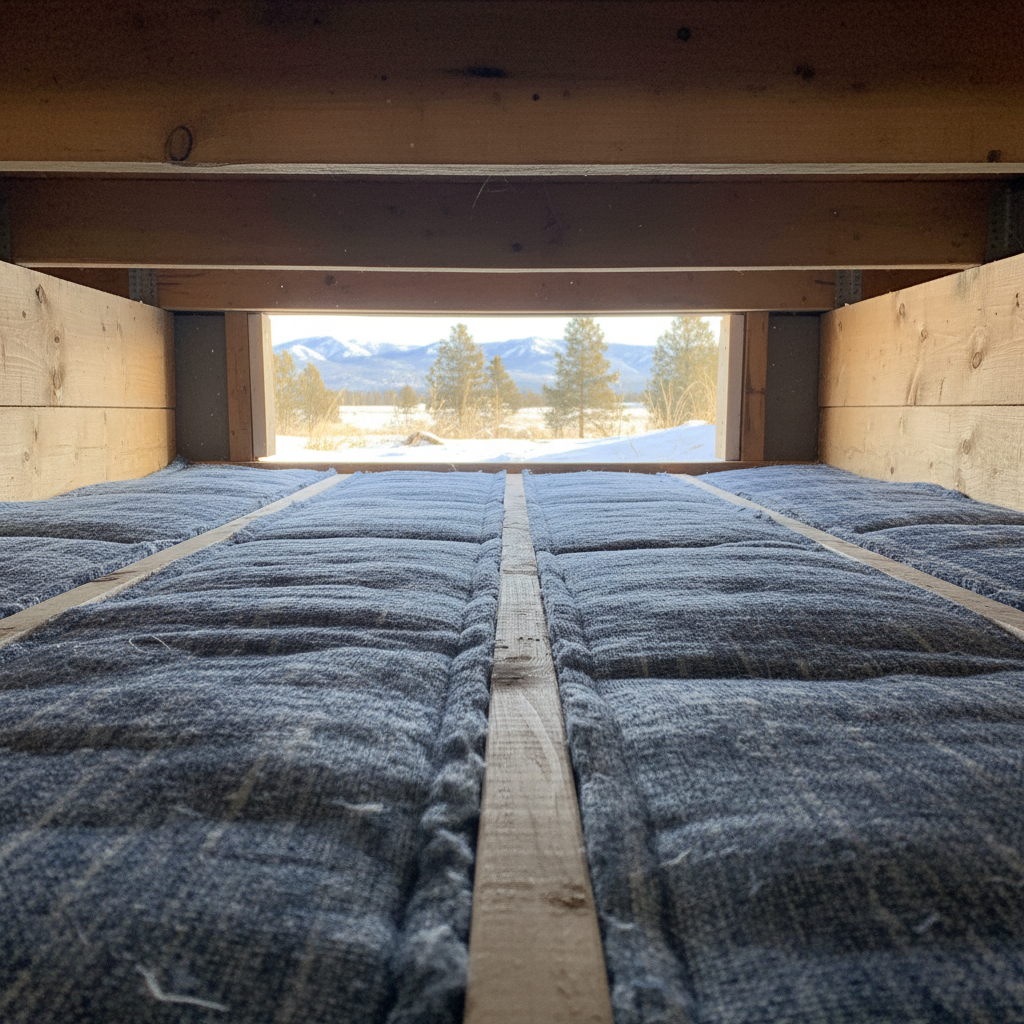
- Batt Insulation (Fiberglass or Mineral Wool): This is probably what most people picture when they hear “insulation.” If your crawl space is ventilated (meaning you’re insulating the floor joists above), you can definitely tackle this yourself. You’ll want to wear protective gear – a good respirator, gloves, long sleeves, and eye protection. Cut the batts to fit snugly between the floor joists. The trick is to make sure they stay up there. You can use insulation supports (those little wire hangers) or even chicken wire stapled to the joists. Make sure the paper or foil facing (if present) is facing the warm side – usually up towards the living space. Don't compress it too much; insulation needs air pockets to work, after all.
- Rigid Foam Boards: If you’re sealing off your crawl space and insulating the perimeter walls (which is what I recommend for most Big Sky homes), rigid foam boards are a great option. They offer a high R-value per inch and stand up well to moisture. You can cut these with a utility knife and secure them to the foundation walls with adhesive and mechanical fasteners. Seal all the seams with special tape or expanding foam to create an airtight barrier. This is also a pretty manageable DIY project for someone handy.
- Spray Foam Insulation: This is where you usually call in the big guns. Spray foam, especially closed-cell, offers incredible R-value, acts as an air barrier, and can seal up all those tiny gaps you’d never find otherwise. It’s fantastic for crawl spaces, but it requires specialized equipment and training to apply correctly. You don’t want to mess this up, and frankly, the cost of the equipment alone makes it impractical for a one-off DIY. If you want spray foam, call a professional like us at Genesis Insulation Company. We’ve got the gear and the know-how to get it done right, safely.
After the Project: Enjoy the Benefits
Once your crawl space is properly insulated, you’ll notice a difference pretty quickly. Your floors won’t be ice-cold in the winter. Your furnace won’t have to work as hard, which means lower energy bills. You might even find your home feels less drafty overall. Plus, a properly conditioned crawl space is less appealing to pests and less prone to moisture issues that can lead to structural damage or poor indoor air quality.
It’s an investment, for sure, but one that pays dividends in comfort and savings. And in a place like Big Sky, where we push our heating systems hard for half the year, every bit of efficiency counts. Take care of that crawl space, and it’ll take care of you.