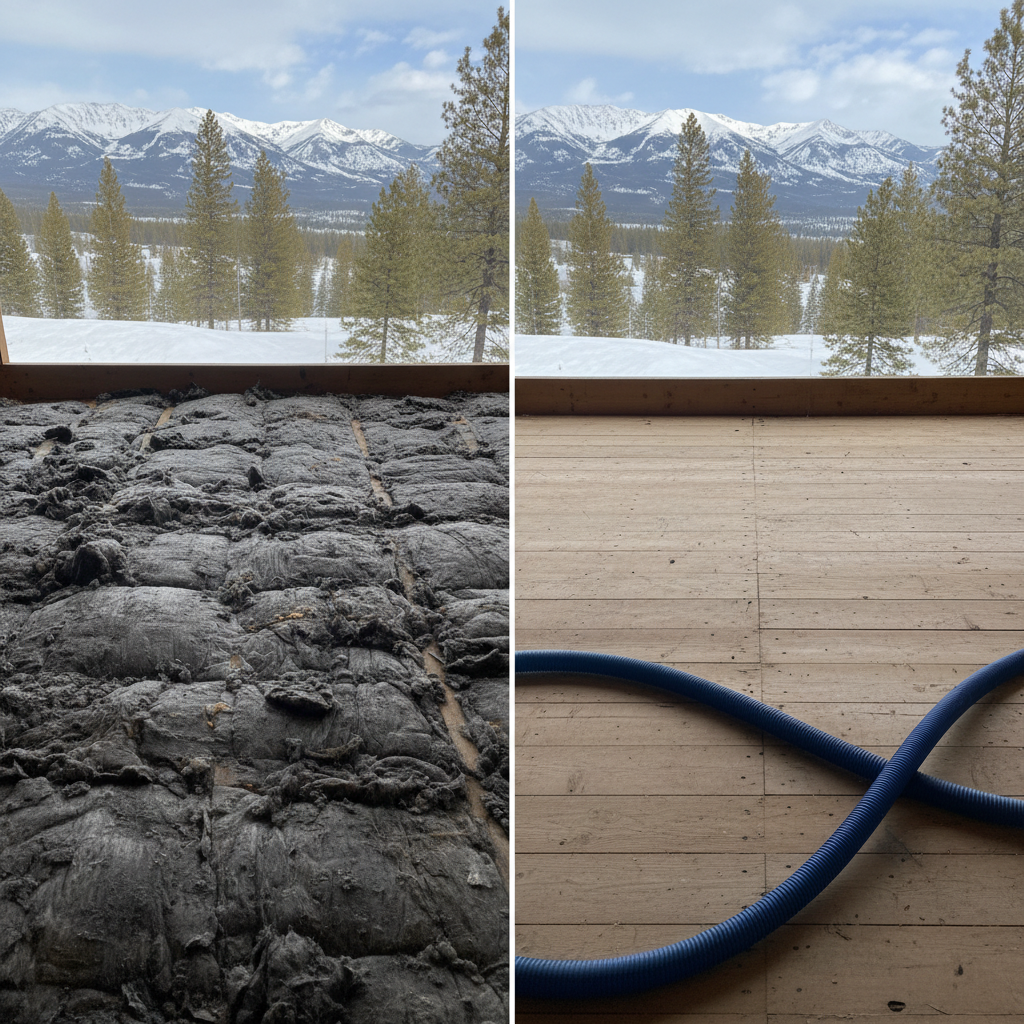
Alright, so you've decided it's time to ditch that old, dusty, maybe even rodent-infested insulation in your attic or crawl space. Smart move. But how do you actually get it out? Generally, you've got two main ways to tackle insulation removal: you can suck it out with a big vacuum system, or you can go in there by hand. Both methods will get the job done, but they're pretty different when it comes to cost, how long they take, and the mess they create.
Vacuum Removal: The Clean & Quick Option
This is what we usually suggest, especially if you're dealing with a lot of old blown-in cellulose or fiberglass. With vacuum removal, we bring in a specialized, high-powered vacuum system, which we typically set up outside your house. We run a big hose from the vacuum right into your attic or crawl space, and then we just suck all that old insulation out. It goes straight into large, heavy-duty bags or a collection unit on our truck.
Cost: Generally, this will be more expensive upfront than doing it by hand. You're paying for specialized equipment, skilled operators, and the sheer efficiency of the process. It's an investment, absolutely.
Durability & Maintenance: This isn't really about how durable the removal method is, but rather what you get afterward. A vacuum system pulls almost everything out, leaving a much cleaner space. That means less old dust and debris left behind to cause problems later. It also cuts down on the chance of any lingering allergens or pest droppings if that was part of the original issue.
Appearance: The space will look a lot cleaner. You're not just getting rid of the bulk of the insulation; you're also vacuuming up the smaller bits and dust that manual removal often misses. If you're planning to do air sealing or other work before new insulation goes in, a clean slate is super valuable.
Speed: This is where vacuum removal truly shines. We can clear out an entire attic in a fraction of the time it would take to bag it all by hand. For a typical Big Sky home, say a 2,000 sq ft ranch with a decent attic, we're talking hours, not days. This is especially true for homes in areas like Spanish Peaks where attics can be, well, pretty expansive.
Recommendation: If you've got blown-in insulation, especially if it's old, dusty, or contaminated, vacuum removal is almost always the best way to go. It's cleaner, faster, and reduces the risk of spreading dust and debris throughout your home.
Manual Removal: The Hands-On Approach
Manual removal is just what it sounds like: someone gets into your attic or crawl space with shovels, rakes, and big garbage bags, and physically scoops or gathers the old insulation. They bag it up, haul it out, and then get rid of it. This is often the method people think about for DIY projects, but even pros sometimes use it for specific situations.
Cost: On the surface, manual removal might seem cheaper because you're not paying for fancy equipment. If you're doing it yourself, your only costs are bags, a respirator, and maybe a rental dumpster. If you hire someone, it's labor-intensive, so while the equipment cost is low, those labor hours can really add up.
Durability & Maintenance: The biggest problem here is how thorough you can be. It's incredibly tough to get every last speck of insulation out by hand. You'll almost always leave behind a layer of dust, small fibers, and debris. This can be an issue if you're trying to get rid of allergens or odors, or if you need a perfectly clean surface for air sealing. Plus, dragging bags through your house can easily spread dust.
Appearance: The space will be mostly clear of the bulk insulation, but it won't be as clean as with vacuum removal. Expect a dusty, somewhat grimy surface underneath. You'll likely need to do a thorough cleaning afterward, which just adds more time and effort, right?
Speed: This is the slow boat. Every bag has to be filled, tied, and then hauled out, often through tight spaces like attic hatches or crawl space openings. It's back-breaking work and takes significantly longer than vacuuming. Imagine trying to bag up loose, dusty insulation in a cramped, hot attic during a Montana summer – it's not fun, and it's definitely not fast.
Recommendation: Manual removal can be a good choice for very small areas, or if you have batt insulation that's easy to roll up and remove. If your insulation is wet, matted, or heavily compacted, manual removal might be the only way to get it out effectively, as a vacuum could struggle. However, for most blown-in insulation jobs, especially in larger areas, it's usually not the most efficient or cleanest option.
Which Way to Go for Your Big Sky Home?
For most homeowners in Big Sky, especially with the kind of insulation we see around here – often older blown-in cellulose or fiberglass that's seen a few decades of our harsh winters and dusty summers – vacuum removal is the clear winner. It's faster, cleaner, and ultimately provides a better foundation for your new insulation. You'll have less dust circulating in your home during the process, and the space will be truly ready for new material.
At Big Sky Insulation, we've done countless removal jobs, and we've invested in the right equipment for a reason. We want to get your old insulation out quickly and cleanly, so you can get to the good part: installing new, efficient insulation that keeps your home comfortable and your energy bills down. If you're not sure which method is right for your specific situation, just give us a call. We'll come out, take a look, and give you an honest recommendation.